Iran Takes Strong Political Step
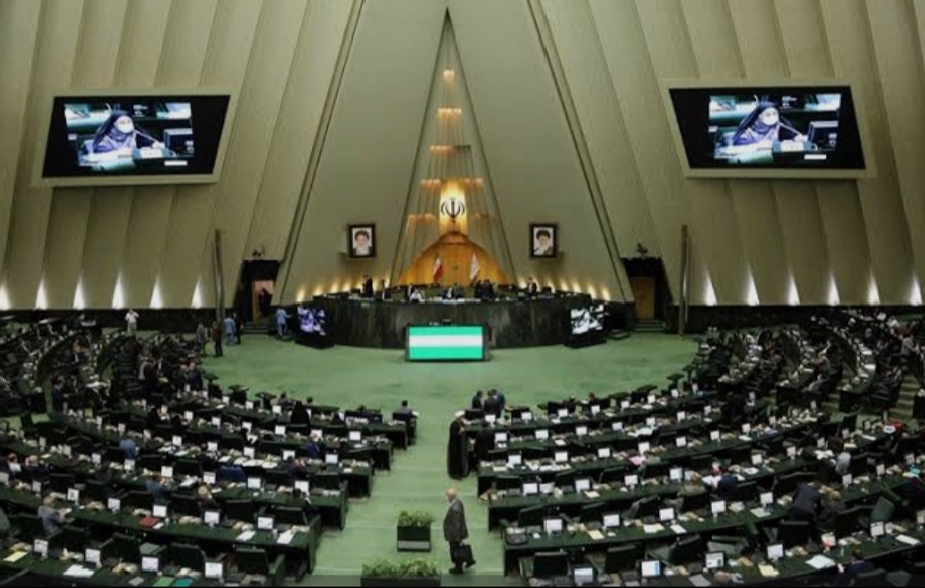
The Islamic Consultative Assembly, also known as the Majles of Iran, has officially approved a 25% increase in the national defense budget. The decision was passed unanimously, showing strong political unity.
This move comes at a time of rising global tension and ongoing diplomatic challenges. By increasing defense spending, Iran aims to strengthen its military capabilities and national security.
The decision also reflects the government’s response to current geopolitical pressures. It sends a clear signal that Iran is prepared to protect its interests.
Message to the West Amid Diplomatic Deadlock
The budget increase is widely seen as a message to Western countries. Diplomatic talks regarding international navigation access have reached a deadlock, creating uncertainty in the region.
Iran’s leaders appear to be using this decision as a form of political communication. By boosting defense funding, they are showing determination and resilience.
At the same time, the move may increase tensions with other global powers. It highlights the ongoing challenges in reaching diplomatic agreements.
Focus on Strategic Security
A large portion of the increased budget is expected to support strategic security programs. These may include military technology, defense infrastructure, and personnel development.
Iran has long emphasized the importance of self-reliance in defense. Therefore, the additional funding could help expand domestic capabilities and reduce dependence on external support.
Security in key areas, such as the Strait of Hormuz, is also likely to remain a priority. This region plays a vital role in global energy transportation.
Regional and Global Implications
The decision may have broader implications for the Middle East and beyond. Neighboring countries could respond by adjusting their own defense strategies.
In addition, global markets may react to rising tensions, especially those related to energy supply routes. Stability in the region is closely linked to international trade and economic conditions.
While the move strengthens Iran’s position domestically, it may also create new challenges in international relations.
The approval of a 25% defense budget increase by Iran’s parliament marks a significant political development. It reflects both internal priorities and external pressures.
As diplomatic talks remain stalled, this decision serves as a strong message of determination. However, it also raises questions about future relations with Western countries.
In the coming months, the impact of this policy will become clearer. It will influence not only Iran’s security strategy but also the broader geopolitical landscape.


